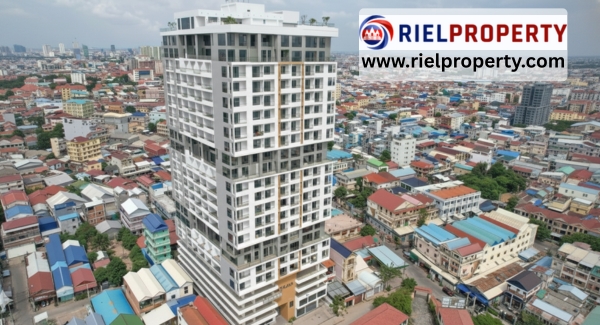
Phnom Penh’s property market no longer centers exclusively on downtown districts. Emerging suburbs within 30 minutes of the city center now offer compelling alternatives for investors seeking growth potential and affordability. Major infrastructure upgrades, including new bridges, road networks, and the upcoming Techo Takhmao International Airport, are transforming previously peripheral areas into connected, desirable neighborhoods with prices 50% to 80% below premium central zones.
Three suburbs stand out for their combination of accessibility, infrastructure momentum, and investment value: Sen Sok, Russey Keo, and Chbar Ampov. Each offers distinct advantages for different buyer profiles, from commercial developers to families seeking spacious homes. Understanding their current pricing, development trajectories, and infrastructure timelines helps identify the strongest opportunities before broader market recognition drives prices upward.
Sen Sok: Commercial Growth and Value Positioning
Sen Sok has emerged as one of Phnom Penh’s fastest-growing suburbs, powered by commercial development and improved connectivity. The district gained momentum with the opening of AEON Mall Sen Sok City, one of the city’s largest shopping complexes, which anchored a surge of residential and office projects. Road network improvements and expanding public transport routes now deliver travel times under 30 minutes to central Phnom Penh during most hours.
Land prices range from $700 to $3,600 per square meter, depending on road access and specific location within the district. Main road frontage commands premium rates while sub-road plots trade between $300 and $1,700 per square meter. This pricing structure creates opportunities for both commercial developers targeting main thoroughfares and residential builders focusing on quieter sub-roads with family appeal.
The infrastructure advantages extend beyond current access. Sen Sok’s proximity to the airport expansion area positions the district to benefit from increased economic activity and employment growth as aviation capacity increases. Major road upgrades continue improving connectivity to industrial zones and neighboring provinces, supporting both commercial and residential demand.
Investment appeal centers on rapid urbanization and strong rental demand for mid-tier housing. The area attracts young professionals, growing families, and workers in nearby commercial and industrial zones who seek affordable, modern housing within reasonable commute times. A local property agent captures the sentiment: “Sen Sok is where you get the most bang for your buck. The area is booming with new projects, and the price gap versus BKK1 is massive. If you want growth and rental demand, this is the place.”
Apartments and townhouses in Sen Sok generate solid rental yields, often exceeding those in saturated central districts where oversupply pressures return. The combination of affordable entry costs and steady tenant demand makes Sen Sok attractive for buy-to-let strategies focused on consistent cash flow rather than immediate prestige.
Russey Keo: Large-Scale Development and Future Growth
Russey Keo distinguishes itself through ample land availability and transformative infrastructure projects. The district benefits from new overpasses, flyovers, and, critically, the Russey Keo-Chroy Changvar bridge, which dramatically improved connectivity to central areas and neighboring districts. These infrastructure additions reduced travel times and opened previously difficult-to-access areas for development.
Land prices span $1,000 to $3,200 per square meter on main roads, with sub-road plots available between $400 and $1,700 per square meter. This pricing attracts both residential developers and commercial investors seeking titled land with room for large-scale projects. The district’s development potential stems from the availability of plot sizes that are increasingly rare in more established areas.
Direct access to National Road 5 enhances Russey Keo’s strategic position, connecting the district to northern provinces and facilitating logistics and commercial activity. Proximity to the airport further strengthens the investment case, particularly for commercial and mixed-use developments targeting businesses requiring convenient air transport access.
The district draws both local and foreign investors, recognizing the growth trajectory. A real estate developer working in the area notes, “Russey Keo is the future of Phnom Penh. The land is still affordable, and the infrastructure upgrades mean it’s only a matter of time before prices catch up with the city center.” This perspective reflects confidence in long-term appreciation potential as continued development and infrastructure completion draw more residents and businesses.
Rising demand from diverse investor groups signals market maturity. Where Russey Keo once served primarily local developers, the improved infrastructure and clear development path now attract institutional investors and foreign buyers seeking land for sale in Cambodia at prices that deliver meaningful returns on larger-scale projects.
Chbar Ampov: Riverside Living and Family Appeal
Chbar Ampov offers a distinct value proposition centered on riverside locations, spacious properties, and family-oriented development. The district appeals to buyers seeking quieter environments with green spaces and water views, while maintaining reasonable access to city-center employment and amenities. Steady property value increases reflect improved connectivity and expanding housing project supply.
Land prices range from $1,200 to $3,000 per square meter on main roads, with sub-road plots trading between $400 and $1,300 per square meter. This positions Chbar Ampov at a slight premium to Sen Sok, but still well below the real estate pricing in central Phnom Penh. The riverside locations and lifestyle appeal justify the incremental cost for buyers who prioritize the environment over pure commercial convenience.
New roads, bridges, and improved public transport links continue enhancing accessibility. The district’s infrastructure development follows a more measured pace than Sen Sok or Russey Keo, creating opportunities for patient investors willing to accept longer hold periods in exchange for scenic locations and growing family housing demand.
The area attracts families, both Cambodian and expatriate, seeking larger homes with outdoor space compared to condominium living in central districts. A resident explains the appeal: “Chbar Ampov offers a rare combination of affordability and lifestyle. The area is perfect for families and long-term investors who want to be close to the city but away from the hustle and bustle.”
Investment strategy in Chbar Ampov differs from the commercial focus appropriate for Sen Sok or the large-plot development approach in Russey Keo. Here, the opportunity centers on residential development targeting middle- and upper-middle-class families seeking single-family homes, townhouses, or low-rise condominiums in established neighborhoods. RielProperty.com listings in Chbar Ampov reflect this residential character, featuring family homes and small-scale developments rather than high-rise towers or commercial projects.
Value Comparison: Suburban Opportunity Versus Central Premium
The pricing gap between emerging suburbs and established central districts creates the fundamental investment thesis for suburban property purchases. Understanding these differences helps calibrate expectations and investment timelines.
| District | Price per sqm (USD) | 30-min Access | Infrastructure | Investor Appeal |
|---|---|---|---|---|
| Sen Sok | $700–$3,600 | Yes | Major roads, airport proximity | High growth, affordability |
| Russey Keo | $1,000–$3,200 | Yes | Bridges, overpasses, National Road 5 | Large plots, future appreciation |
| Chbar Ampov | $1,200–$3,000 | Yes | New roads, bridges, public transport | Family-friendly, scenic riverside |
| BKK1 (Central) | $9,000–$12,000 | N/A (City Center) | Established, mature | Premium yields, limited appreciation |
Central premium zones like Daun Penh and BKK1 command prices reaching $12,000 per square meter, with limited supply and established demand patterns. These areas deliver premium amenities and strong rental yields but offer little room for significant capital appreciation given already-elevated pricing. Investors in central districts prioritize income generation and prestige over growth potential.
Emerging suburbs offer the inverse profile. Prices running 50% to 80% lower than city center property provide substantial upside potential as infrastructure completion and urban expansion drive value increases. The trade-off involves longer investment horizons, current amenity gaps compared to central locations, and higher sensitivity to infrastructure project completion timelines.
Infrastructure Projects Driving Suburban Growth
Major infrastructure initiatives underpin the investment case for suburban Phnom Penh property. These projects transform accessibility and economic activity patterns, making previously peripheral areas viable for residential and commercial development.
The Techo Takhmao International Airport represents the single largest infrastructure project affecting suburban values. Set to open in 2025, the new airport dramatically expands Cambodia’s aviation capacity and relocates major air traffic from the current Phnom Penh International Airport. Suburbs like Sen Sok and Russey Keo gain particular advantage from proximity to the new facility, attracting aviation-related businesses, logistics operations, and workers seeking convenient housing near employment centers.
New bridges and overpasses address Phnom Penh’s historic traffic congestion and connectivity challenges. The Russey Keo-Chroy Changvar bridge exemplifies these improvements, cutting travel times and opening development corridors that were previously impractical due to traffic constraints. Additional flyovers and grade-separated intersections continue improving traffic flow throughout suburban areas.
Road network upgrades extend beyond major thoroughfares to include sub-road improvements and new connections between suburbs. These secondary infrastructure projects enhance livability and property values on quieter streets, making residential development viable beyond just main road frontage. Public transport route expansions provide alternatives to private vehicles, which is significant for middle-income residents in suburban areas.
Investment Strategy for Suburban Properties
Successful suburban investment requires different approaches than buying property for sale in Phnom Penh in established central districts. The following strategies align with suburban market characteristics and risk profiles.
Focus on infrastructure proximity. Properties near completed or under-construction infrastructure projects benefit most directly from improved accessibility. Buy near new bridges, major road intersections, and planned commercial developments. Avoid speculating on distant infrastructure promises without clear completion timelines and government commitment.
Prioritize titled land and clear ownership. Suburban areas sometimes feature more complex land title situations than central districts with established strata-title buildings. Verify clean titles, confirm ownership rights, and ensure proper registration before purchase. The Cambodian real estate investment landscape rewards careful due diligence, particularly in developing areas.
Match property type to area character. Sen Sok suits commercial and mixed-use development given its retail and office momentum. Russey Keo works on larger-scale residential or industrial projects, leveraging available land. Chbar Ampov fits family housing and lifestyle-oriented development. Forcing the wrong property type into an area reduces returns and complicates exit strategies.
Plan longer hold periods. Suburban investments typically require a minimum of 3 to 5 years to realize meaningful appreciation as infrastructure is completed and areas mature. Short-term investors seeking quick flips should focus on central districts with established liquidity. Patient capital captures the best suburban returns.
A foreign investor focusing on Sen Sok captures the suburban opportunity: “The suburbs are where the real opportunities are now. The price gap versus the city center is huge, and the infrastructure upgrades mean these areas are only going to get more valuable.” This perspective reflects the understanding that today’s suburbs become tomorrow’s integrated districts as cities expand.
Risks and Considerations
Suburban investment carries distinct risks requiring careful evaluation. Infrastructure project delays represent the most common challenge. Government timelines shift, funding gaps emerge, and completion dates extend beyond initial projections. Build buffer time into your investment thesis and avoid assuming projects will be complete as scheduled.
Liquidity tends to be lower in suburban areas compared to central districts. Finding buyers or tenants may take longer, particularly for larger properties or those in less established areas. Factor this into cash flow planning and avoid overleveraging for suburban purchases, as forced sales could prove difficult.
Amenity gaps persist despite infrastructure improvements. Schools, hospitals, shopping, and entertainment options remain more limited in suburbs than in central areas. This affects both rental demand and resale values, particularly for properties targeting expatriate tenants or affluent Cambodian families who prioritize convenience and services.
Development quality varies more widely in emerging areas. Central districts feature established developers with proven track records, while suburbs attract both reputable builders and less-experienced operators. RielProperty.com helps buyers identify quality developments, but thorough developer vetting remains essential for suburban purchases.
Market Outlook and Timing
The window for capturing maximum suburban value tightens as infrastructure projects near completion and early investors establish positions. Sen Sok, Russey Keo, and Chbar Ampov have already seen significant appreciation from their lowest points, but remain substantially below central district pricing. The next 24 to 36 months are likely the optimal entry period before these areas transition from “emerging” to “established,” with corresponding price increases.
Market dynamics favor buyers in late 2025 and early 2026. Oversupply concerns affecting central Phnom Penh create opportunities for negotiation on suburban properties as sellers seek liquidity and developers clear inventory. This buyer-friendly environment, combined with infrastructure momentum, creates attractive risk-reward scenarios for informed investors.
The best areas to invest in Phnom Penh for growth potential have shifted from central districts to these suburban corridors. While BKK1 and downtown locations still deliver reliable rental income, meaningful capital appreciation increasingly concentrates in areas benefiting from infrastructure completion and urban expansion. Investors seeking balanced portfolios might allocate between income-producing central properties and growth-oriented suburban land or development projects.
Making Your Suburban Investment Decision
Sen Sok, Russey Keo, and Chbar Ampov represent Cambodia’s strongest suburban property opportunities within 30 minutes of Phnom Penh center. Each offers dramatic price advantages compared to central districts while benefiting from infrastructure upgrades that improve connectivity and livability. The choice between them depends on your investment strategy, risk tolerance, and target market.
Commercial investors and those seeking short-to-medium term appreciation favor Sen Sok for its retail momentum and diverse demand drivers. Developers requiring large plots for ambitious projects find Russey Keo’s available land and strategic connectivity most suitable. Family-focused investors and those prioritizing lifestyle over pure returns appreciate Chbar Ampov’s riverside character and residential atmosphere.
Regardless of area choice, successful suburban investment requires patience, thorough due diligence, and realistic expectations about timelines and development trajectories. The suburbs where you invest today become the established neighborhoods of tomorrow, creating wealth for those who position early in quality locations with clear infrastructure catalysts. Cambodia’s property market dynamics increasingly favor these emerging areas as central districts mature and price ceilings take hold, making suburban investment a logical focus for growth-oriented buyers in 2026.

Thomas Kaspersky
I’m Thomas Kaspersky, specialising in property investment across several markets, including Cambodia, the UK, Dubai/UAE, and Poland. With experience as an engineer and project manager, I enjoy explaining how developments, construction, and market data shape real estate opportunities.
View all posts