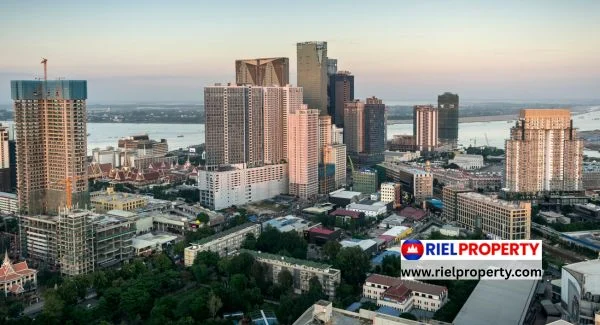
Investors from South America are used to dealing with currency swings, inflation, and changing local rules. In 2026, more of them are quietly adding Cambodia property to their global strategy, not as a replacement for Brazil or Argentina, but as a dollar-denominated, high-yield satellite play.
This guide explains why Cambodia is on the radar for South American buyers, what they are usually looking for, and how to build a sensible, risk-aware entry strategy if you are coming from Latin America.
Who Is Looking at Cambodia From South America?
Cambodia does not yet have the same South American footprint as Spain, Florida, or Portugal. Still, there is a growing trickle of buyers from Brazil, Argentina, Chile, Colombia and Mexico using global brokers and specialized advisors to diversify into Southeast Asian property. These are usually mid- to high-net-worth investors who already own property locally and are comfortable with cross-border diversification.
They tend to be familiar with the idea of “offshore” assets, high-yield plays and currency hedging. After watching domestic returns compress and currencies wobble, they look for: higher net yields than in developed markets, dollar-based assets, and liberal foreign ownership rules. Cambodia ticks those boxes more than many regional peers.
Why Cambodia Appeals to South American Investors
Several structural features keep appearing in investment pitches and research reports aimed at global investors:
- Higher yields: Well-chosen Phnom Penh condos can deliver gross yields around 6-9 percent and realistic net yields around 4.5-7 percent, higher than typical condo yields in cities like São Paulo, Santiago, Bangkok or Ho Chi Minh City.
- Dollar-based economy: Cambodia’s heavy use of the U.S. dollar for property transactions and savings means investors can hold assets and receive rent in dollars, which is attractive for people used to local currency volatility and inflation.
- Relatively liberal rules: Foreigners can own freehold strata-title condos outright above the ground floor, with clear frameworks for commercial property, long leases and structured land exposure.
- Growth and infrastructure story: Fast urbanization, new airports, expressways and special economic zones create a long-term growth thesis, even if near-term GDP and property cycles are more selective.
For South American investors used to political noise, currency swings and uneven returns at home, a small allocation to Cambodia can be framed as a way to hold dollar assets with higher yield and structural growth, in a market that is still earlier in its cycle than many of their usual offshore destinations.
What They Actually Buy: Condos, Borey, and Land
South American buyers tend to favor three types of Cambodian property:
- Prime and mid-range Phnom Penh condos: These are the most common entry point. Buyers focus on BKK1, Tonle Bassac, riverside and selected mid-range districts, where rental demand from expats and local professionals keeps occupancy and income more predictable.
- Borey and landed homes: Some investors with a longer horizon and a family angle look at borey houses in growth corridors around Phnom Penh or Siem Reap, often combining a lifestyle use case with long-term capital appreciation.
- Land and villa plots in growth belts: More experienced investors sometimes add land exposure along corridors tied to Techo Airport, Ring Road 3 or riverside districts such as Chroy Changvar, betting on long-term infrastructure-led gains.
They rarely start with coastal resort products or highly speculative towers, because those segments carry more reputational and completion risk. Instead, they borrow the same rule they use at home: begin with the most liquid, proven neighborhoods and segments, then move out once they understand the local dynamics better.
How to Structure and Manage the Investment
Structuring and management matter more than marketing flyers. Most foreign investors, including South Americans, use one of three basic approaches:
- Direct condo ownership with local management: Buy a strata-title condo outright and contract a local manager or agency to handle leasing, repairs, and tenant relations. This is simple, but requires careful choice of manager and clear agreements on fees and oversight.
- Company or trust structures for more complex portfolios: For investors planning multiple assets or wanting exposure to land and houses, corporate or trust structures can align better with tax and legal needs. These are best handled with specialist advice, but are increasingly familiar to global investors.
- Turnkey programs with defined yields: Some projects in Phnom Penh and Siem Reap market packaged “turnkey” investments with promised net yields in a defined range. These can be convenient but still require due diligence on developer strength, real rental demand, and contract terms.
Management quality is critical. A strong yield on paper can be mostly eaten away by vacancy, weak tenant selection, and poor maintenance. South American investors used to managing rentals at home tend to do better when they treat Cambodian property the same way: as a business that needs oversight, not just a passive asset.
Key Risks South American Buyers Need to Price In
Cambodia property is not a “free lunch.” Several risks need to be consciously priced in:
- Developer and completion risk: Oversupply and rising non-performing loans mean some projects, especially in coastal markets and weaker districts, have struggled to complete or perform as advertised. Due diligence on developer track record is essential.
- Market cycle and oversupply: National price indices are still correcting, and some condo segments, particularly luxury coastal and fringe towers, are working through oversupply. Buying into these segments without a clear plan is higher risk.
- Regulation and enforcement: While rules on foreign condo ownership and taxation are clear, broader enforcement in areas such as money laundering or investor protection is less strict than in more mature markets. This can be a plus for flexibility, but also increases the need for self-protection.
- Distance and management: Being far from an asset amplifies the impact of weak management or communication. Investors need reliable local partners and should expect to spend time on oversight, even with managers in place.
For South American investors, the best way to manage these risks is to start with a small, well-chosen allocation, in proven districts and segments, and then build up exposure only after a few years of direct experience with how the market behaves.
If you are considering an entry, you can start by exploring our high-quality ready to move in properties in core Phnom Penh districts, and our selection of off plan properties from strong developers. For a full overview of rules, yields and ownership structures, our investment guides for foreign buyers break down the legal and tax framework in more detail.
Frequently Asked Questions
Why would a South American investor pick Cambodia over more familiar markets like the U.S. or Europe?
Not as a replacement, but as a complement. Cambodia offers higher yield potential, dollar-based assets, and earlier-stage growth than mature markets. It can be a small, higher-return satellite in a broader portfolio that already includes more familiar destinations.
Which Cambodian city should a South American buyer start with?
Phnom Penh is usually the best starting point, because it has the deepest rental market, the most established expat and professional tenant base, and clearer resale liquidity than smaller or coastal cities.
Is Cambodia property too risky for first-time international investors?
It can be if treated as a quick, speculative play. For first-time international investors, starting small in prime Phnom Penh condos with solid management and a five- to ten-year horizon is typically safer than chasing yield in fringe or coastal segments.
How important is the dollar-based economy for South American investors?
Very important. Being able to hold assets and receive rent in U.S. dollars is a major attraction for investors dealing with volatile local currencies. It offers a built-in hedge that many are specifically looking for.
Can South Americans get residency or spend time in Cambodia through property investment?
Property ownership does not automatically grant residency. Still, Cambodia offers relatively flexible long-term visas and living arrangements for foreign nationals, which many investors use to spend part of the year in the country while also holding assets there.

Thomas Kaspersky
I’m Thomas Kaspersky, specialising in property investment across several markets, including Cambodia, the UK, Dubai/UAE, and Poland. With experience as an engineer and project manager, I enjoy explaining how developments, construction, and market data shape real estate opportunities.
View all posts