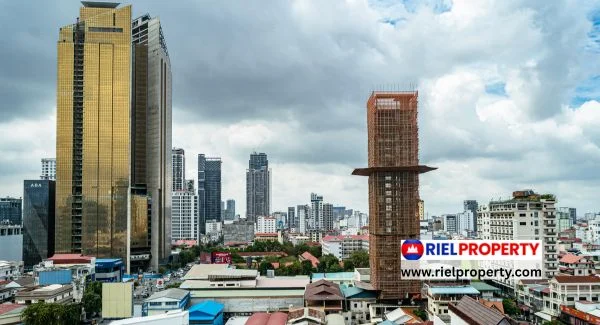
Cambodia is often marketed as a “high-yield” alternative to Bangkok, Ho Chi Minh City, or Singapore. On paper, gross yields of 6-9 percent look attractive. In practice, real-life returns depend on segment, district, vacancy, costs, and how disciplined you are about management. A 7 percent gross yield in Phnom Penh can translate into 4.5-6 percent net, or much less in weaker projects.
This guide gives a grounded 2026 view: realistic net yields for premium and mid-range Phnom Penh condos, how real costs cut headline yields, and how Phnom Penh compares with Siem Reap and coastal markets on stability and risk.
Realistic Yields in Phnom Penh Condos
In 2026, realistic gross yields for well-chosen condos in Phnom Penh tend to fall in the 6-8 percent range, depending on segment and location, with mid-range projects sometimes pushing higher and premium units slightly lower. After costs, net yields in prime projects are often closer to 4.5-6 percent, and mid-range units in good districts can sometimes reach the upper end of that range if managed efficiently.
Premium condos in districts such as BKK1 and Tonle Bassac attract steady expat and professional tenants. Still, higher purchase prices and condo fees usually mean gross yields of around 6-7 percent and net yields in the mid single digits. Mid-range or smaller units in solid but less expensive districts (for example, Russian Market/Toul Tompong, parts of Sen Sok) can sometimes produce gross yields of 7-9 percent and net yields around 5-7 percent, provided vacancy is controlled and management costs are sensible.
How Costs Reduce Headline Yields
Headline yields are almost always quoted as gross: annual rent divided by purchase price, ignoring vacancy and costs. Real-life net yields need to subtract several items.
- Vacancy: Even in strong districts, you should assume some months without a tenant over a multi-year hold. One or two empty months a year in a mid-range condo can reduce effective gross yield by 10-20 percent.
- Management fees: Professional management, leasing, and maintenance often cost 10-20 percent of collected rent, depending on service level and contract. Self-management reduces cash costs but increases your time cost and may not be realistic for overseas owners.
- Service charges and sinking funds: Condo fees for security, cleaning, amenities, and building reserves can be substantial, especially in premium complexes. These come out of your rental income before you calculate net yield.
- Taxes and compliance: Rental income is taxed under Cambodia’s property and income tax rules, and there are costs to registering leases and staying compliant. These may be smaller than in some Western markets but still matter for net returns.
- Wear and tear: Furniture, appliances, paint, and small repairs accumulate over time. Even basic turnover costs can cut another point or so off headline yields if not budgeted.
When you put these together, a condo advertised at “8 percent gross yield” might realistically deliver 5-6 percent net for a disciplined owner, and lower for a less organized one. Understanding that gap between brochure numbers and net cash flow is key to avoiding disappointment.
Phnom Penh vs Siem Reap and Coastal Cambodia
Cambodia is not one rental market. Phnom Penh, Siem Reap, and coastal cities like Sihanoukville and Kep each have different yield profiles and risks.
- Phnom Penh: The most balanced market, with a mix of expat, local professional, and domestic tenants. Gross yields are around 6-8 percent in well-chosen condos, and net yields in the mid single digits are achievable if vacancy and costs are controlled. Borey and landed homes can also produce rental income, but are more often bought for family use and long-term capital growth.
- Siem Reap: Historically driven by tourism, Siem Reap yields can be higher in boutique and villa segments during strong tourism years, but are more volatile and sensitive to visitor numbers and global travel trends. Covid-era disruption showed how quickly rental income can drop when tourist flows collapse, though recovery is underway.
- Coastal markets (Sihanoukville, Kep, Kampot): Some coastal areas have marketed headline yields in the high single digits or low double digits, especially around hotel-condo or resort products. In practice, oversupply, unfinished projects, reputational issues, and uneven tourism recovery have made real yields harder to achieve and more variable. These are advanced markets better suited to experienced investors who understand the local dynamics, not first-time buyers.
Phnom Penh vs Bangkok and Ho Chi Minh City
Compared with larger regional cities, Phnom Penh still offers higher average gross yields for condos, but with higher risk and lower liquidity. Typical gross yields for mainstream condos in Bangkok and Ho Chi Minh City often sit in the 3-5 percent range, with net yields lower once taxes and costs are considered.
Phnom Penh’s higher yields reflect lower entry prices per square meter and a younger, still-developing market with more room for rental yield premiums. At the same time, Phnom Penh carries more developer risk, more segment oversupply in some districts, and a shorter track record than regional hubs. In simple terms: Phnom Penh can pay more on paper, but you have to work harder on selection and management than in mature, lower-yield markets.
Using Yield Calculators and District Guides
Because real returns depend on many moving parts, calculators and district guides are useful tools rather than just marketing gadgets. A good calculator lets you plug in realistic assumptions for rent, vacancy, condo fees, management costs, tax, and maintenance, and then shows net yield under conservative and optimistic scenarios.
District guides help you understand how tenant demand, pricing, and risk differ between areas like BKK1, Tonle Bassac, Russian Market, Sen Sok, Chroy Changvar, and emerging corridors. Combining guides and calculators is the best way to decide whether a specific unit is likely to deliver the yield you expect.
On RielProperty, you can use the yield calculator embedded in our investment pages (for example, our guide to Cambodia property yields) to test net returns for different condo types. You can also browse district-level insights in our guide to Phnom Penh’s best areas, then narrow down unit types through our lists of ready to move in properties and off plan properties.
Frequently Asked Questions
Are Cambodia rental yields really higher than in neighboring countries?
Yes, on average, gross yields in well-chosen Phnom Penh condos tend to be higher than typical yields in Bangkok or Ho Chi Minh City. However, net yields and risk-adjusted returns depend heavily on vacancy, costs, and asset quality, so higher headline numbers do not automatically mean better real-life returns.
What net yield should I realistically target in Phnom Penh?
For prime and mid-range condos in good districts, a realistic net yield target after vacancy and costs is around 4.5-6 percent. Higher net yields are possible in some mid-range units with strong management, but anything advertised significantly above this range deserves closer scrutiny.
Are coastal Cambodian markets good for yield-focused investors?
They can be, but they are higher risk and more volatile. Oversupply, unfinished projects, and uneven tourism recovery make real yields less predictable than in Phnom Penh or borey housing. Coastal markets are better suited to investors with local experience and higher risk tolerance.
How can I avoid overestimating my yield?
Always model vacancy, management fees, condo charges, tax, and maintenance explicitly, and run both conservative and optimistic scenarios. Use real rent levels from similar units rather than marketing promises. A good calculator and reliable local data can help you avoid building plans on inflated numbers.
Should I prioritize yield or capital growth in Cambodia?
Ideally, your strategy should balance both. Prime condos and borey homes can offer a mix of moderate net yield and long-term capital growth if bought at fair prices in strong locations. Pure yield chasing in weaker segments and markets often leads to disappointment once full costs and risks show up.

Thomas Kaspersky
I’m Thomas Kaspersky, specialising in property investment across several markets, including Cambodia, the UK, Dubai/UAE, and Poland. With experience as an engineer and project manager, I enjoy explaining how developments, construction, and market data shape real estate opportunities.
View all posts