Showing page 1

Quick Stats for Siem Reap

7

Total Developments

About Siem Reap

Siem Reap

Cambodia

Gateway to Angkor Wat - tourism-led market, hospitality investment focus, new international airport, and Cambodia's leading heritage tourism destination.

This guide is built for foreign investors and buyers exploring Siem Reap as an investment destination. It covers the tourism-driven market, pricing, yields, hospitality opportunities, risks, and what you need to know before committing capital.

$1,000-$2,200 Price/sqm
6-9% Gross Yield
Recovering Market Status
Tourism-led Demand Profile

All pricing and yields are indicative

About Siem Reap

Gateway to Angkor Wat - the world's largest religious monument
Cambodia's leading heritage tourism destination
Indicative pricing: $1,000-$2,200/sqm
New Siem Reap Angkor International Airport (SAI)
Almost entirely tourism-dependent economy
Foreign ownership eligible (strata title, very limited stock)

Siem Reap is Cambodia's premier tourism city, drawing millions of visitors annually to the Angkor Archaeological Park, home to Angkor Wat, Bayon, Ta Prohm, and hundreds of ancient temple structures. The city exists, in investment terms, because of this single extraordinary asset.

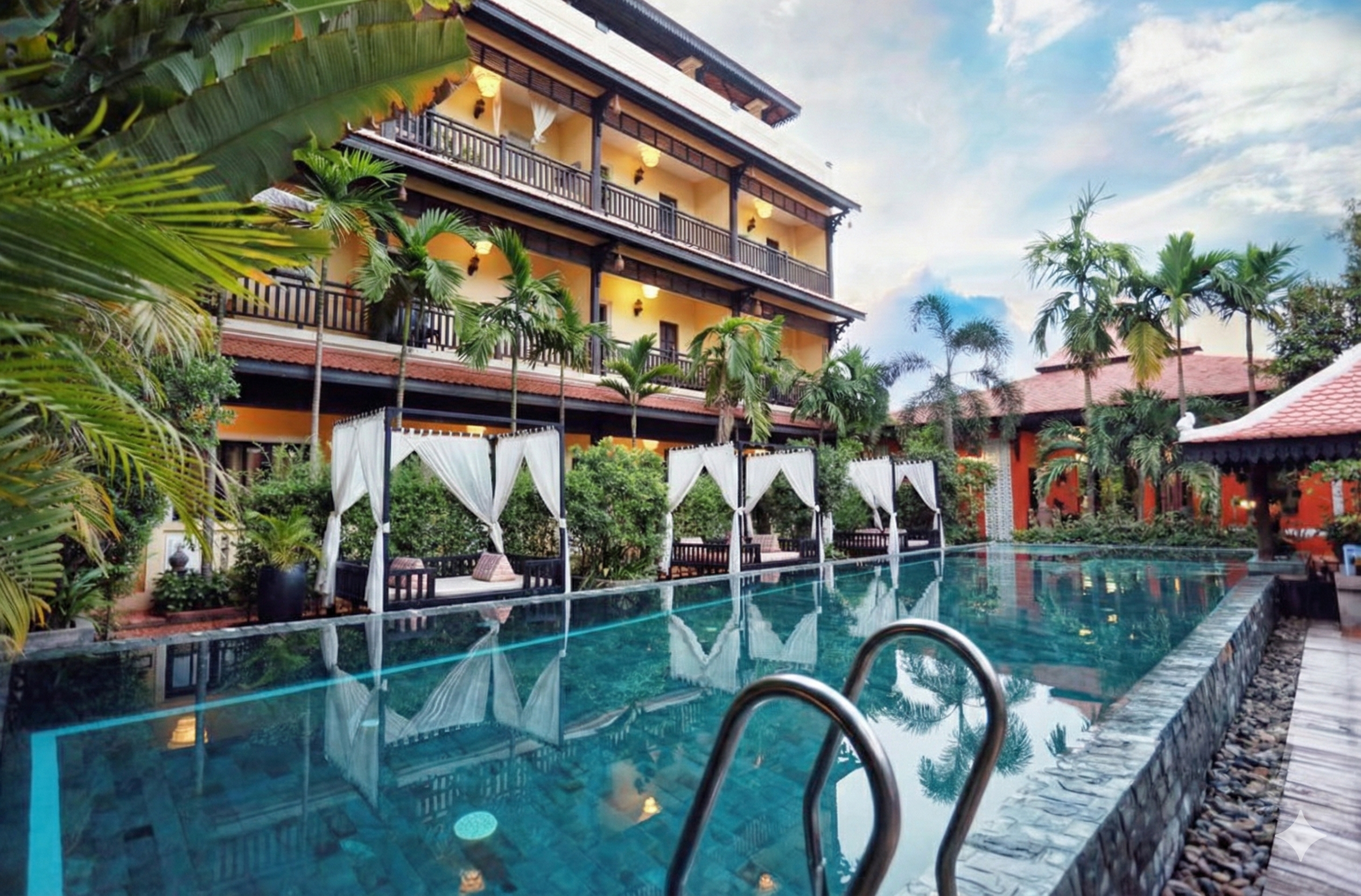
Beyond the temples, Siem Reap has developed a charming town centre with Pub Street nightlife, the Old Market area, boutique hotels, and a growing cafe scene. The Siem Reap River runs through the centre, and French colonial architecture mixes with traditional Khmer buildings to create a distinctive aesthetic.

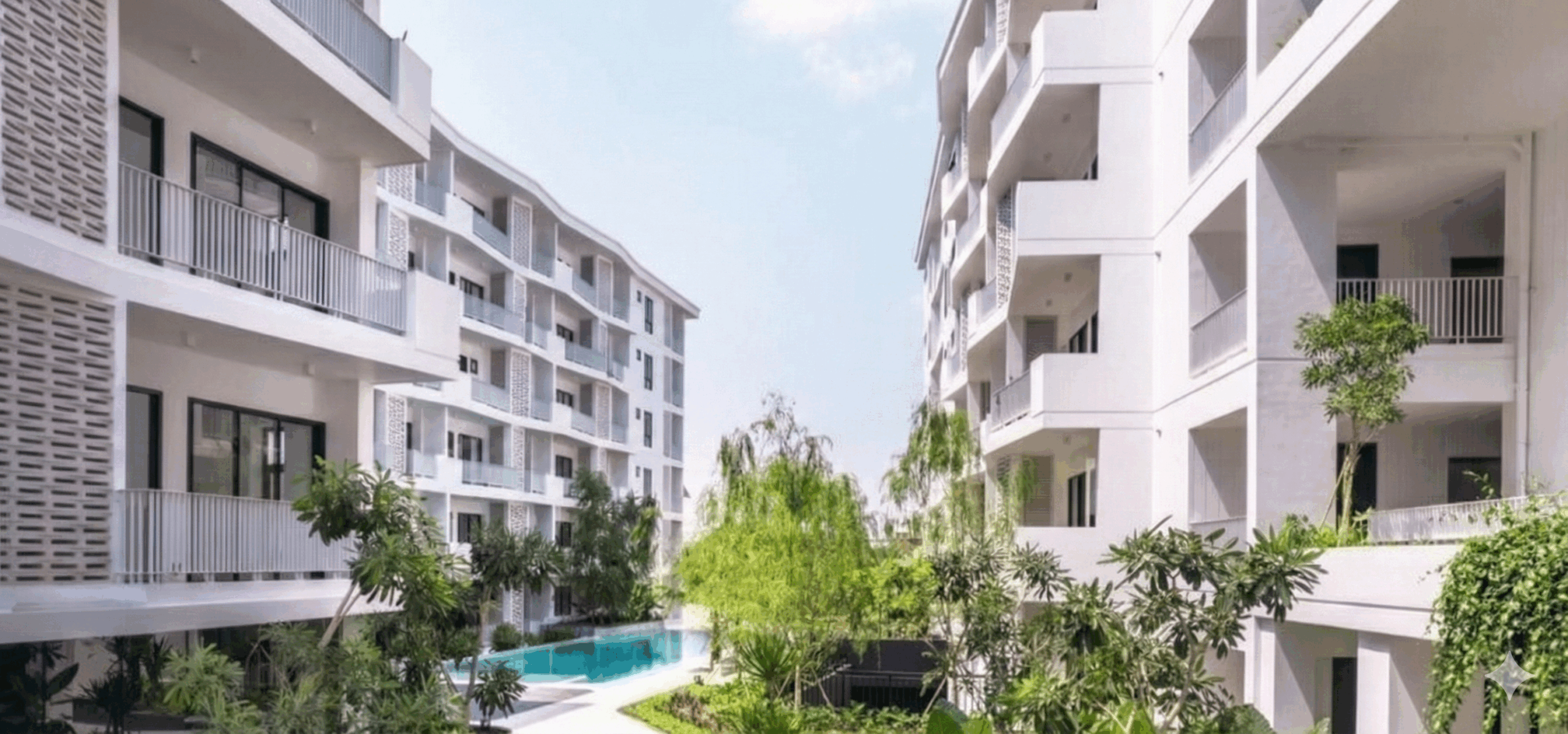
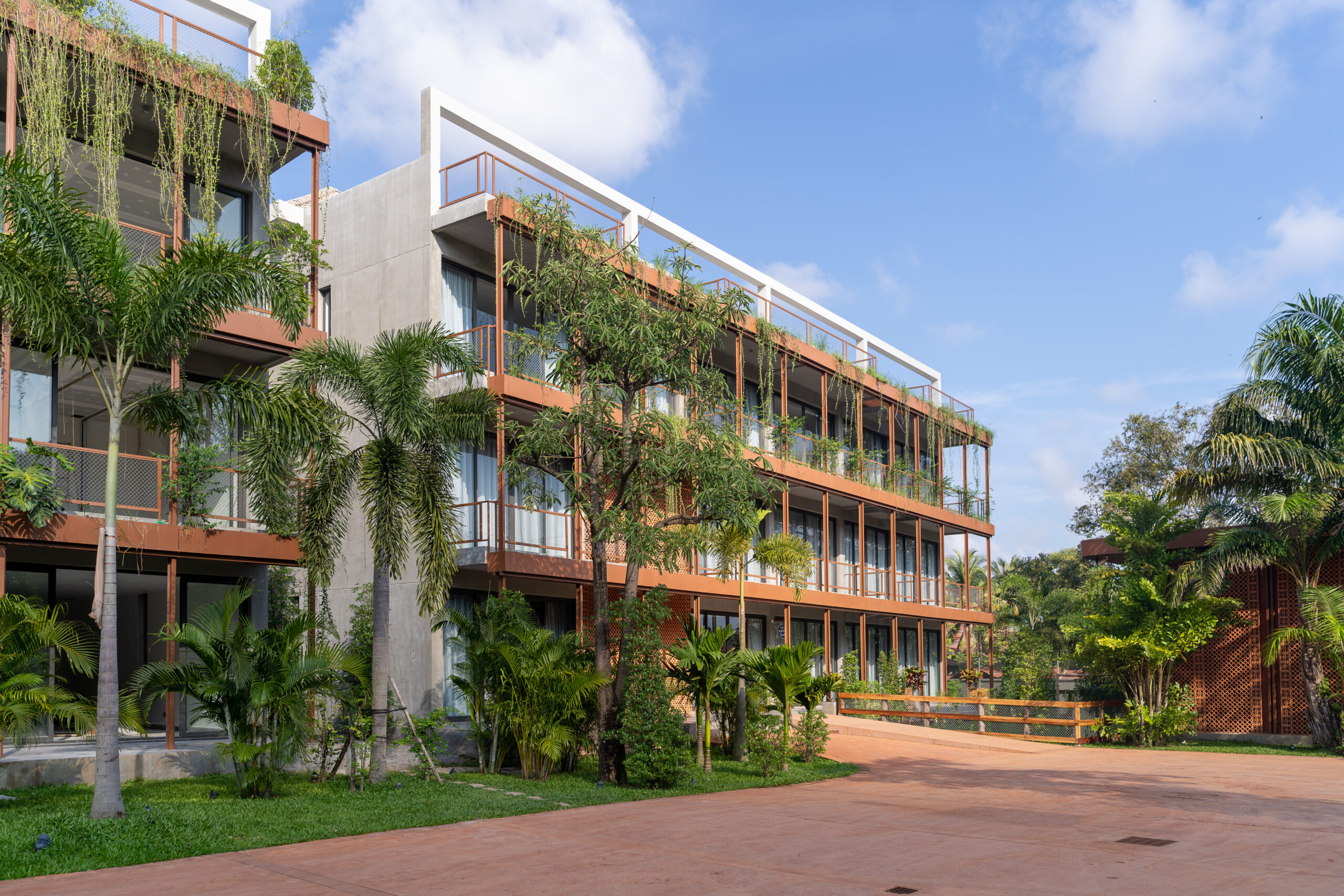
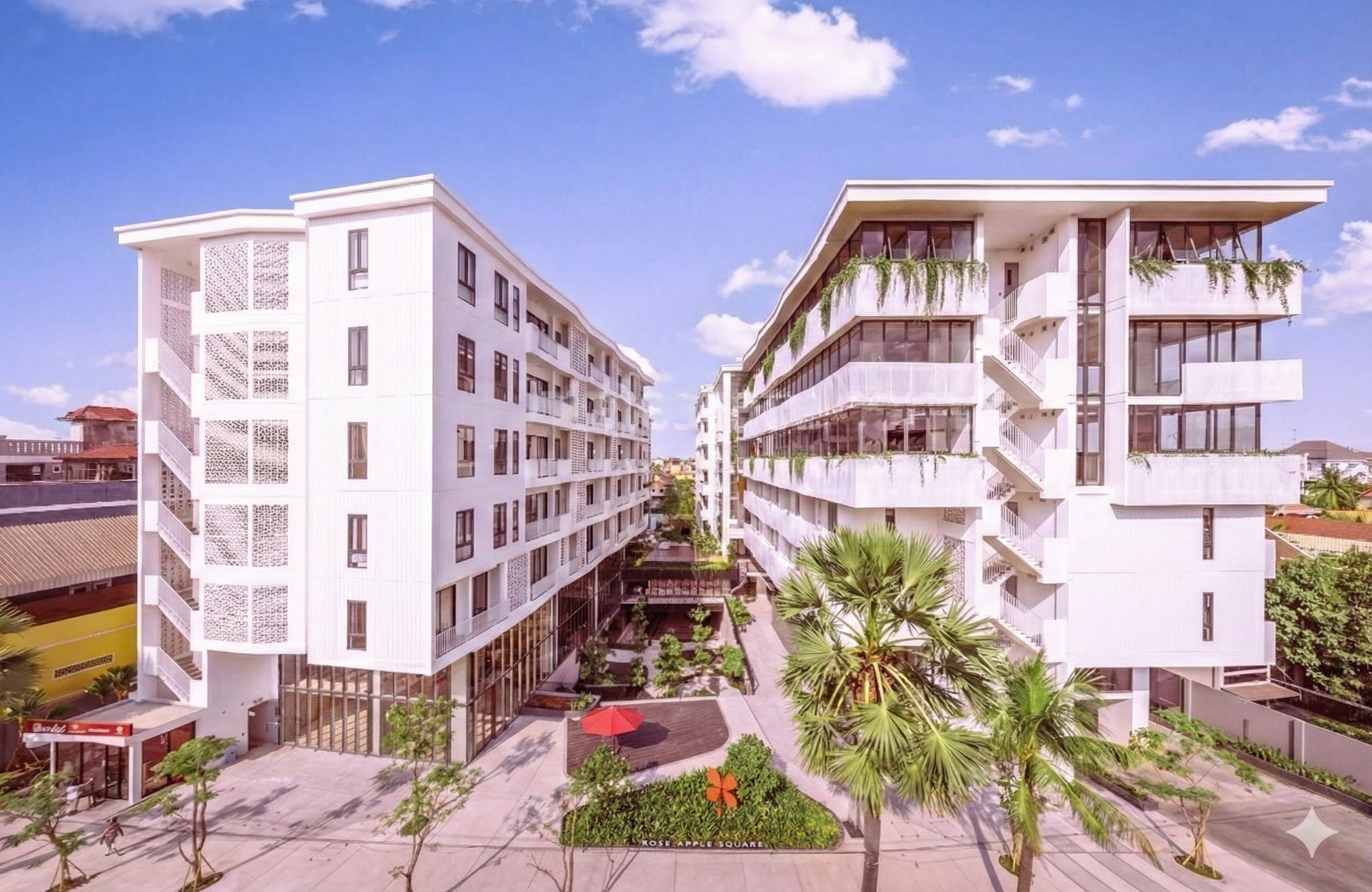
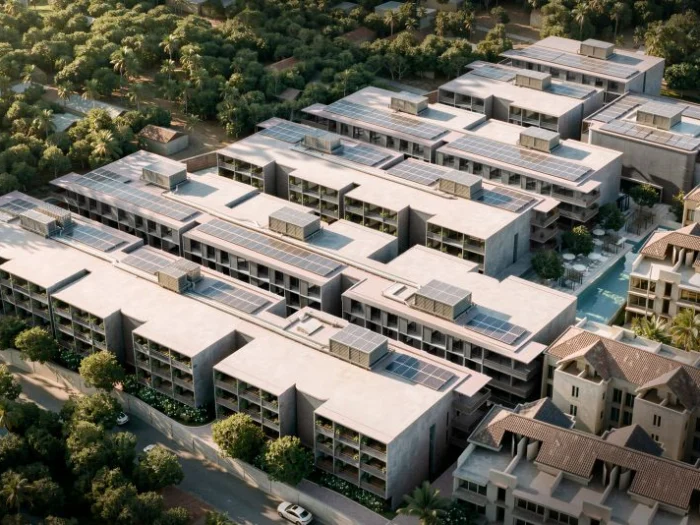
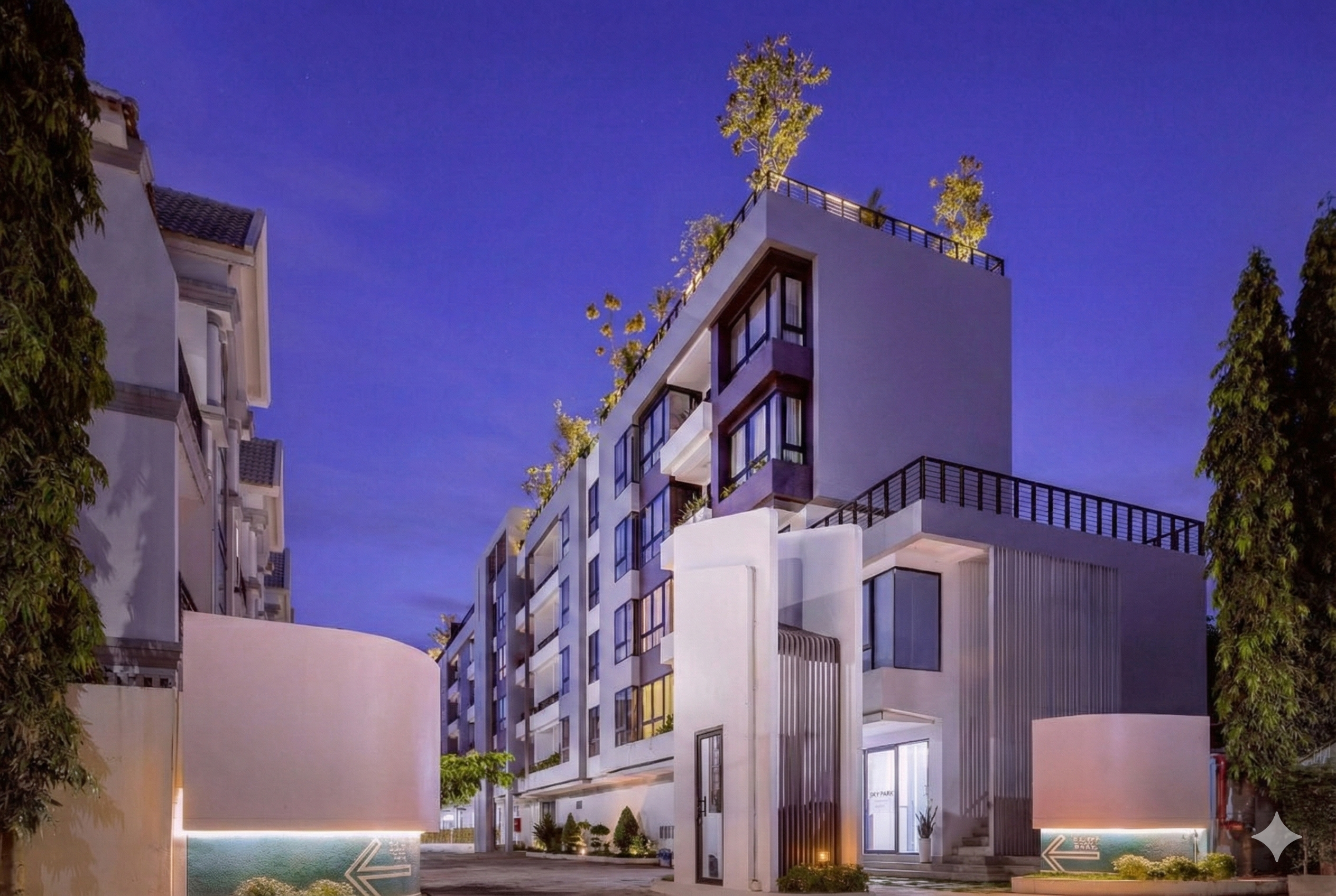
The property market is fundamentally different from Phnom Penh. There is minimal residential rental demand outside the hospitality sector. Investment in Siem Reap is predominantly hospitality-focused: boutique hotels, guesthouses, serviced apartments targeting tourists, and commercial properties serving the visitor economy. Modern condominium stock with foreign ownership eligibility is very limited.

The new Siem Reap Angkor International Airport (SAI) opened in late 2023, replacing the former airport with dramatically expanded capacity. This positions the city for increased visitor volumes and larger aircraft. However, tourism recovery has been gradual and visitor numbers have not yet returned to pre-pandemic peaks in all segments.
General information only - not legal or tax advice. Pricing and yields are indicative and vary by property type. Last updated: March 2026.

Investment Case

Siem Reap's investment case is anchored by Angkor Wat's irreplaceable tourism draw and expanded airport capacity. A hospitality-focused play.

Angkor Wat - Irreplaceable Asset

Angkor Wat is a UNESCO World Heritage Site and one of the world's most visited monuments. Unlike beach destinations that compete with alternatives, Angkor is unique and irreplaceable. This creates a permanent baseline of tourism demand that underpins the local economy.

New Airport Capacity

Siem Reap Angkor International Airport (SAI) provides modern infrastructure for expanded tourism volumes. Larger aircraft, more international routes, and improved passenger handling position the city to capture growing Southeast Asian tourism demand.

Hospitality Investment Returns

Well-managed boutique hotels and serviced accommodation can generate strong operational yields during peak season. The gap between basic guesthouses and quality boutique properties creates opportunity for investors who deliver superior guest experiences.

Tourism Recovery Upside

Post-pandemic tourism recovery is ongoing. Investors who position during the recovery phase capture value before full-cycle pricing returns. Chinese group tourism, which was Siem Reap's largest segment, is gradually rebuilding.

💡 Did You Know

Angkor Wat received over 2.5 million international visitors annually before the pandemic. Siem Reap's entire property market is structurally linked to this tourism flow - a concentration risk that investors should understand clearly.

Buying remotely in Siem Reap? We provide remote ownership support for overseas buyers including handover coordination, furnishing options, and tenant placement to minimise void periods.

Market Snapshot

How Siem Reap compares with other Cambodian investment cities. All pricing is indicative.

CityPrice/sqmGross YieldPrimary DemandLiquidity
Siem Reap$1,000-$2,2006-9%Tourism / HospitalityLimited
Phnom Penh$900-$4,5005-10%Diversified (residential, corporate, diplomatic)Moderate-Strong
Sihanoukville$800-$2,0005-8%Casino / ResortWeak
Kampot$600-$1,4005-8%Boutique tourism / LifestyleVery limited

Who Rents in Siem Reap

International tourists

The dominant demand source. Short-stay visitors (1-5 nights) visiting Angkor Wat drive hotel and serviced apartment occupancy. Demand is seasonal with peaks in November-March.

NGO and conservation workers

A smaller but stable segment. Staff at Angkor conservation projects, UNESCO, and local NGOs seeking medium-term accommodation. More predictable than tourist demand.

Hospitality industry workers

Hotel and restaurant staff needing affordable local accommodation. Supports demand for budget rental properties in the local market.

Long-stay expats and retirees

A niche segment attracted by Siem Reap's lower cost of living, relaxed pace, and cultural richness. Small market with limited rental budgets.

Who Buys in Siem Reap

Hospitality investors

The dominant buyer profile. Investors acquiring or developing boutique hotels, guesthouses, and serviced apartments. Operational hospitality investment is Siem Reap's core opportunity.

Land accumulators

Buyers acquiring land positions in anticipation of tourism growth and city expansion. Land title verification is critical - title issues are common outside the town centre.

Lifestyle buyers

Expats and retirees purchasing residences for personal use, often combining lifestyle with small-scale rental or hospitality operations.

Cambodian commercial investors

Local investors acquiring commercial properties, shophouses, and land for tourism-related businesses.

All figures are indicative market ranges. Do not use as the sole basis for investment decisions.

Living in Siem Reap

What investors and residents need to know about the city.

Angkor Archaeological Park

The city's raison d'etre. Angkor Wat, Bayon, Ta Prohm, and hundreds of temple structures spanning the Khmer Empire period. UNESCO World Heritage Site drawing millions of visitors annually. The single asset that makes Siem Reap an investment destination. Temple pass revenue funds local conservation and infrastructure.

Dining and Nightlife

Pub Street is the famous nightlife centre. The Old Market area offers restaurants, bars, and street food. A growing boutique dining scene with French, Khmer fusion, and international cuisine. Quality has improved significantly as the city matures beyond backpacker tourism into a broader visitor market.

Community and Culture

A smaller, more relaxed city than Phnom Penh. Key investment micro-areas include Wat Bo (established expat neighbourhood), Svay Dangkum and Sala Kamreuk (developing residential zones), and the Charles de Gaulle Road corridor. Active expat community, cultural events, wellness retreats, and artisan workshops. The Siem Reap River promenade and surrounding areas have been renovated with improved public spaces.

Services and Infrastructure

Basic healthcare and international schools are available but limited compared to Phnom Penh. Modern supermarkets and retail are developing. The city's infrastructure is oriented toward tourism rather than residential living, which means some services that capital-city residents expect may be absent.

Connectivity

Siem Reap Angkor International Airport (SAI) provides direct international flights to regional hubs. Phnom Penh is approximately 5-6 hours by road or 45 minutes by domestic flight. Battambang is ~3 hours west. The new airport is further from the town centre than the old one, adding transfer time.

Location and Key Sites

Siem Reap city and surrounding area. Distances from the town centre.

Angkor Archaeological Park~6 km north

UNESCO World Heritage Site containing Angkor Wat, Bayon, Ta Prohm, and hundreds of temple structures. The irreplaceable asset that defines Siem Reap's entire economy and investment proposition. Properties serving the Angkor visitor market form the core investment opportunity.

Pub Street and Old MarketTown centre

The commercial and entertainment heart of Siem Reap. Restaurants, bars, markets, and tourist services concentrated within walking distance. Properties near this core benefit from the highest foot traffic and visitor convenience factor.

Siem Reap Angkor International Airport (SAI)~40 km east

New international airport (opened late 2023) with expanded capacity for larger aircraft and higher passenger volumes. Direct connections to regional hubs. The increased distance from town centre compared to the old airport is a consideration for hospitality properties.

Siem Reap RiverThrough town centre

Renovated riverside promenade with improved public spaces, restaurants, and landscaping. Properties along the river benefit from the waterfront setting and proximity to the town centre's commercial core.

Tonle Sap Lake~15 km south

Southeast Asia's largest freshwater lake with floating villages and unique ecosystem. A supplementary tourist attraction that adds depth to Siem Reap's visitor experience beyond the temples.

Charles de Gaulle BoulevardMain commercial road

Primary commercial corridor connecting the town centre toward the temples. Hotels, restaurants, and commercial properties line this route. Location on or near this boulevard provides strong visibility and accessibility for hospitality investments.

Distances are approximate. Specific property locations may vary.

💡 Did You Know

The new Siem Reap Angkor International Airport (SAI) opened in late 2023, replacing the previous airport with a facility designed to handle 7 million passengers per year initially. This is one of the largest infrastructure investments in Cambodia outside Phnom Penh.

Ownership Costs

Ongoing costs (management fees, utilities, insurance) and transaction costs (transfer tax, stamp duty, legal fees) vary by building and project. Cambodia's ownership costs are often low by regional standards, but policies can change. Always confirm all figures in writing before committing. See the full ownership cost breakdown guide.

Risks and Considerations

Tourism dependency

Siem Reap's economy is predominantly tourism-led, with secondary support from local business, lifestyle, and long-stay resident demand. Pandemics, geopolitical events, natural disasters, or shifts in tourism patterns can dramatically reduce visitor numbers and property income. The COVID-19 impact demonstrated this vulnerability clearly.

Seasonal income fluctuations

Peak season (November-March) and low season (May-October) create significant income variability. Hospitality properties may experience 30-50% occupancy drops during monsoon months. Annual yield calculations must account for seasonal troughs.

Very limited foreign-eligible stock

Modern condo stock with strata title is extremely limited in Siem Reap. Most investment opportunities involve land-based assets (hotels, guesthouses) that foreigners cannot directly own. Nominee structures or local partnerships carry additional risk.

Limited exit liquidity

The secondary market for investment properties in Siem Reap is thin. Fewer comparable transactions, smaller buyer pool, and tourism-cycle sensitivity make exits challenging. Properties may take considerable time to sell at desired prices.

Regulatory and tax changes

Cambodia's Capital Gains Tax took effect in January 2026. Tourism-related taxes and regulations can change. Always confirm current position with a qualified adviser. See the taxes and fees guide.

💡 Did You Know

Heritage and zoning controls around the Angkor and Siem Reap area help preserve low-rise character and limit dense high-rise development in key zones. This affects the type of property stock available for foreign investors.

Frequently Asked Questions

Is Siem Reap a good place for property investment?

Siem Reap suits hospitality-focused investors who understand tourism markets. Angkor Wat provides an irreplaceable demand anchor and the new airport expands capacity. At $1,000-$2,200/sqm with indicative yields of 6-9%, entry pricing is accessible. The heavy tourism dependency is the defining risk.

Can foreigners buy property in Siem Reap?

Yes, with significant limitations. Foreigners can own strata-titled condos (first floor and above), but modern condo stock is very limited. Most hospitality investments involve land-based assets requiring local structures. Legal advice is essential.

What are the risks of investing in Siem Reap?

Tourism dependency, seasonal income swings, limited foreign-eligible stock, and thin exit liquidity are the primary risks. This market suffered severely during COVID-19 and the recovery is ongoing. See the due diligence checklist.

How has the new airport affected Siem Reap property?

SAI provides expanded capacity and modern infrastructure. Larger aircraft and more routes position the city for tourism growth. The airport is further from town (~40 km vs ~7 km for the old one), which affects hospitality properties. Impact on property values depends on tourism recovery pace.

How does Siem Reap compare to Phnom Penh for investment?

Phnom Penh is the diversified play; Siem Reap is the tourism play. Phnom Penh offers 13+ districts, residential and corporate demand, and stronger liquidity. Siem Reap is concentrated in hospitality and tourism-adjacent demand with seasonal risk. Most first-time Cambodia investors start with Phnom Penh.

Can I pay with cryptocurrency (USDT)?

We can accept USDT (crypto) for applicable service fees where permitted. Network and processing fees may apply, and KYC/AML checks are required. Payment instructions are provided in writing. This does not apply to the property purchase price itself unless explicitly confirmed.

What support is available after I buy in Siem Reap?

We stay involved after purchase to support owners, not just sales. Our support covers handover coordination and snagging, furniture pack sourcing, and tenant placement to minimise void periods. Local bank account guidance, insurance options, and Power of Attorney coordination are available via trusted on-the-ground partners. See the full remote ownership support details.

Other Cambodian Cities

Relevant Guides

Recommended Reading

Insight, analysis, and practical guides for Cambodia property investors.

Interested in Siem Reap Property?

Project recommendations, pricing, payment plans, and answers to your questions about Cambodia's temple city with tourism-driven investment opportunities.

Fast reply. No obligation. All information should be confirmed in writing; subject to change; professional advice recommended.